Why Does My Cat Cover Food After Eating?
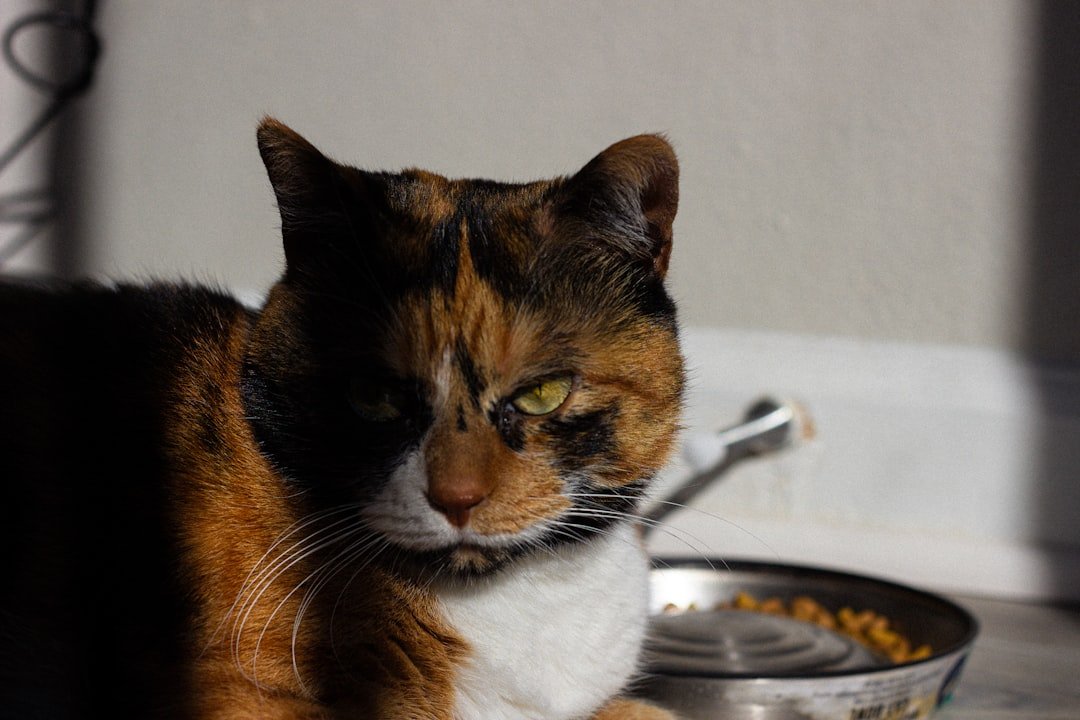
Cats often cover food after eating because of an inherited instinct to hide leftovers, reduce food scent, or save a meal for later. It is usually normal, but changes in appetite or behavior deserve attention.
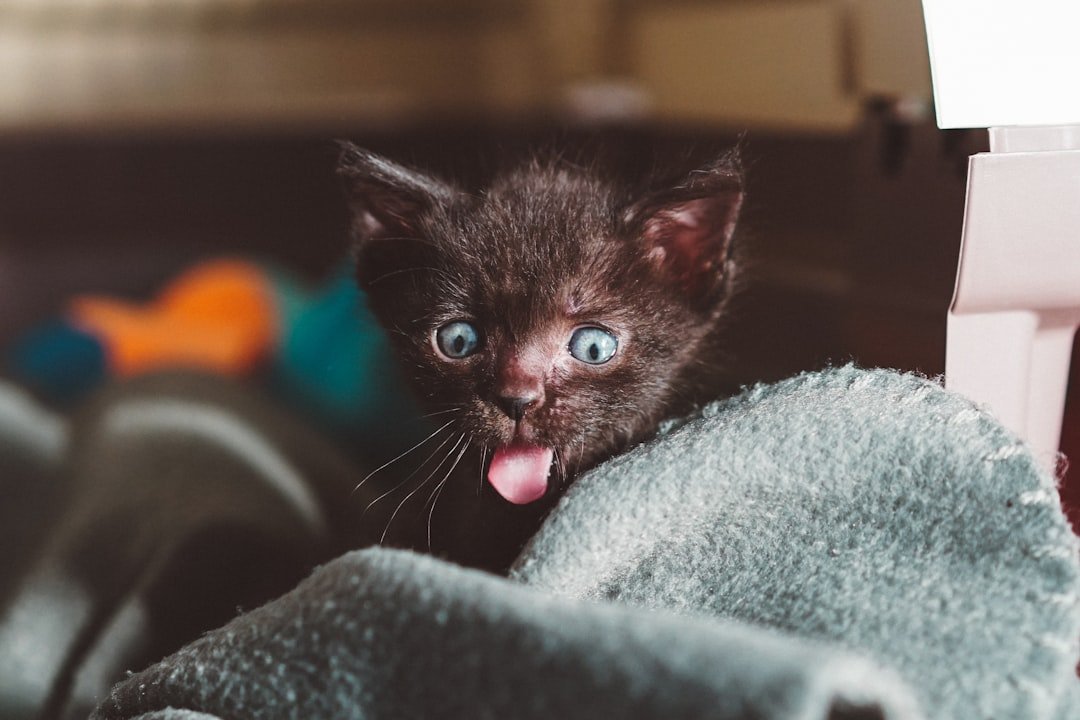
Most cats need days to weeks to feel safer in a new home, while full confidence may take a few months. Watch for small signs of progress, keep a predictable routine, and give your pet space to settle at their own pace.
Start by booking the appointment and gathering your kitten’s records, carrier, and a short list of questions. This first vet visit checklist for kittens explains what happens at the clinic, how to prepare, and what to monitor afterward.
How to introduce a kitten to a toddler safely starts with slow, supervised meetings and a kitten-only retreat. Teach your child gentle hands, give the kitten choice and space, and separate them whenever an adult cannot watch.
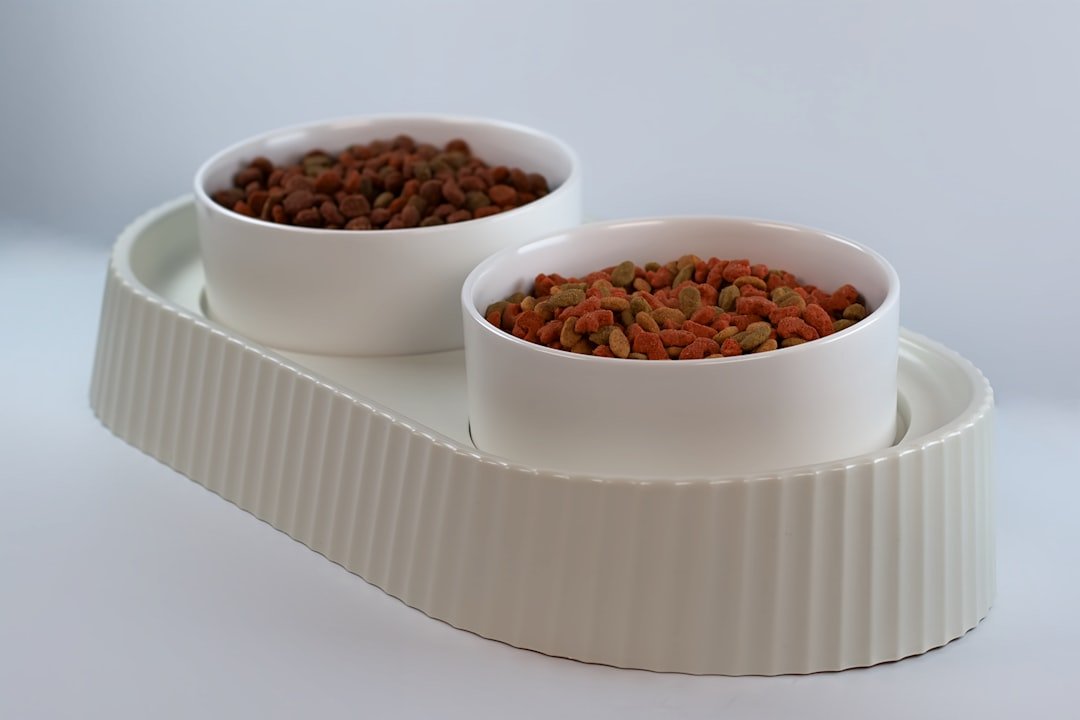
A new kitten needs safe basics first: food and water dishes, kitten food, a litter box, bedding, a carrier, scratching options, and a few safe toys. This guide covers practical budget friendly picks and what can wait until you know your kitten better.
Prepare your home for a new kitten by setting up one calm base room, removing everyday hazards, and checking each room at kitten level. This room by room checklist covers the practical details to handle before your kitten arrives.
Nighttime yowling can come from normal feline routines, learned habits, outside triggers, or age-related and health-related changes. A consistent evening routine and a prompt veterinary check for new or intense vocalizing can help you find the cause.
Food bowl guarding usually means a cat feels pressure around a valuable resource, especially in multi-cat households. Separate feeding areas, visual barriers, and calm routines can reduce competition while helping you watch each cat’s appetite.
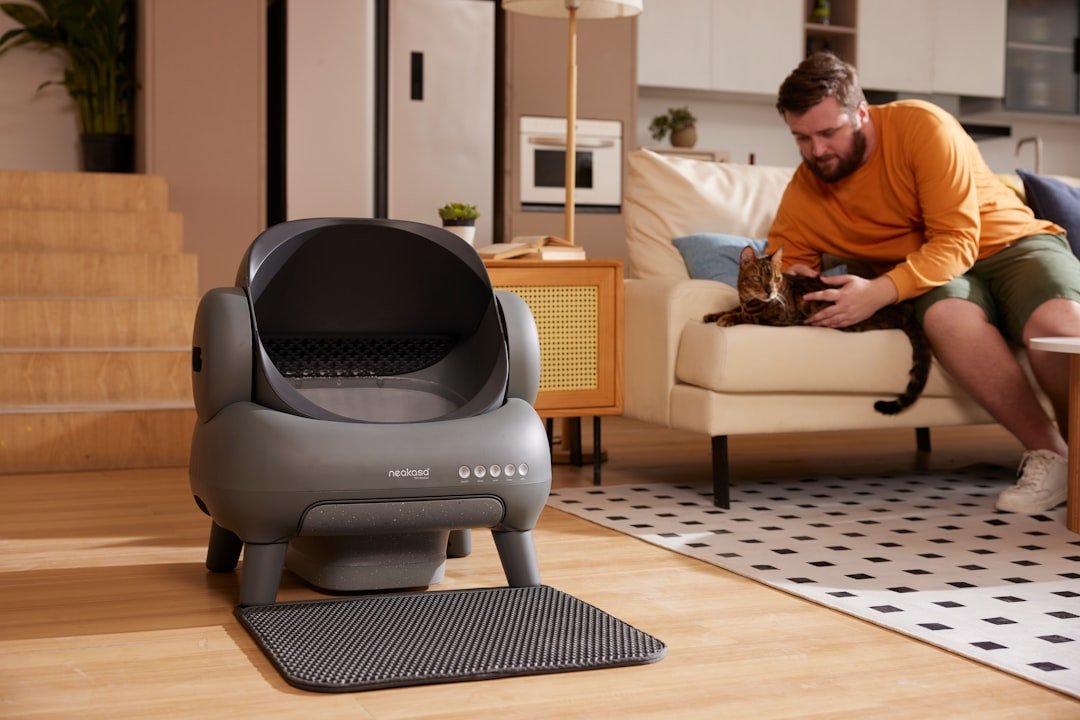
Cats may sleep in the litter box because it feels familiar, enclosed, or safer than other spaces. It can also be a sign to check for stress, litter box conflict, or health changes, especially when the behavior is sudden.
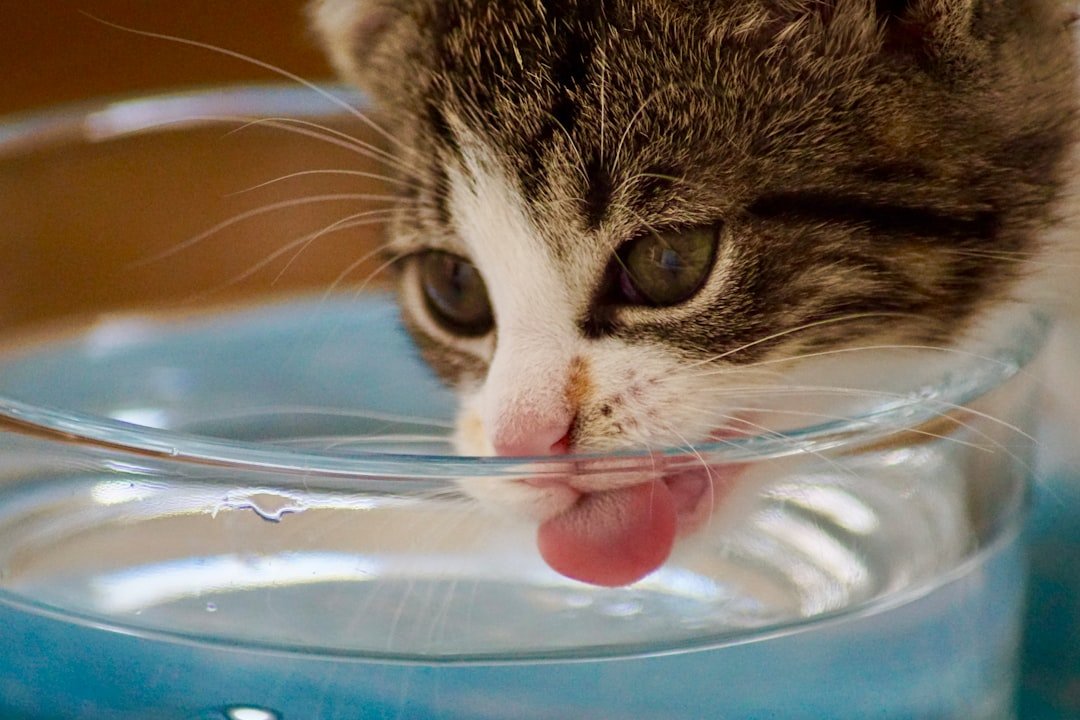
Cats often dig around a water bowl because of instinct, bowl placement, reflections, or a preference for moving water. Small changes to the bowl, mat, location, and cleaning routine can reduce the mess without punishing your cat.