How to socialize a fearful rescue cat
How to socialize a fearful rescue cat starts with safety, choice, and a slow routine that lets the cat set the pace. A patience based approach builds trust through predictable care rather than forced contact.
Discover why your cat meows excessively when you leave home and learn whether it’s separation anxiety or normal behavior. Get practical solutions to reduce stress, proven calming products, and when to contact your vet for expert help.
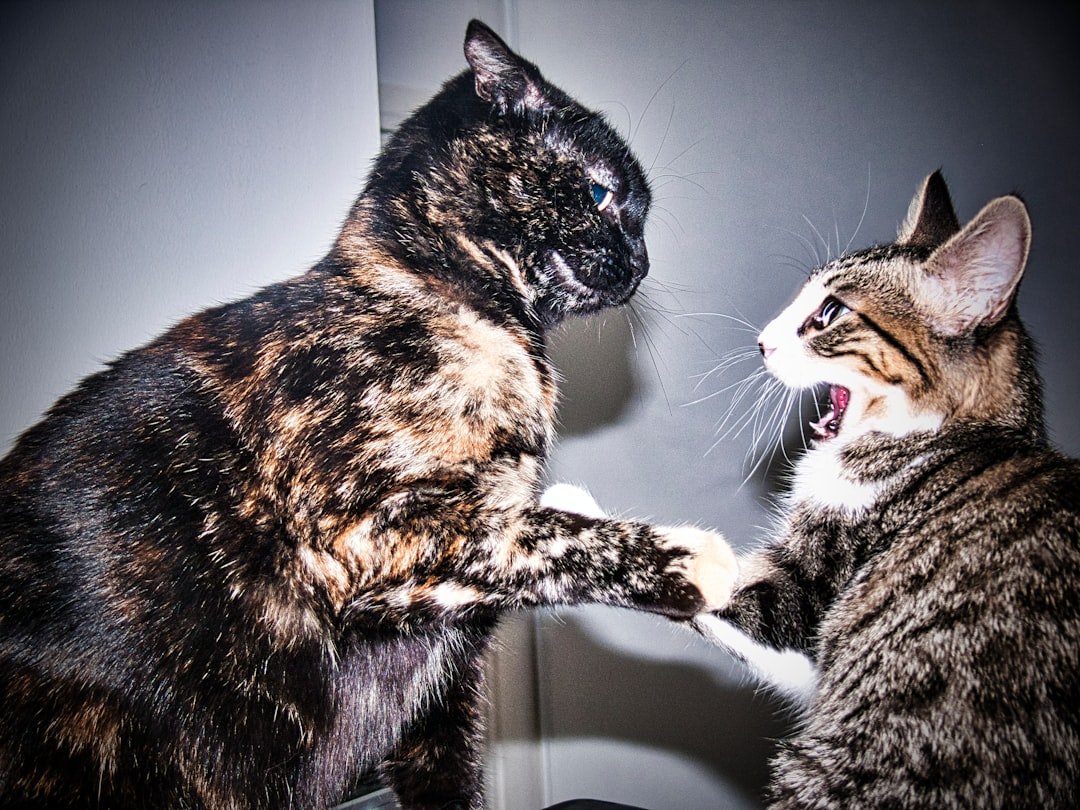
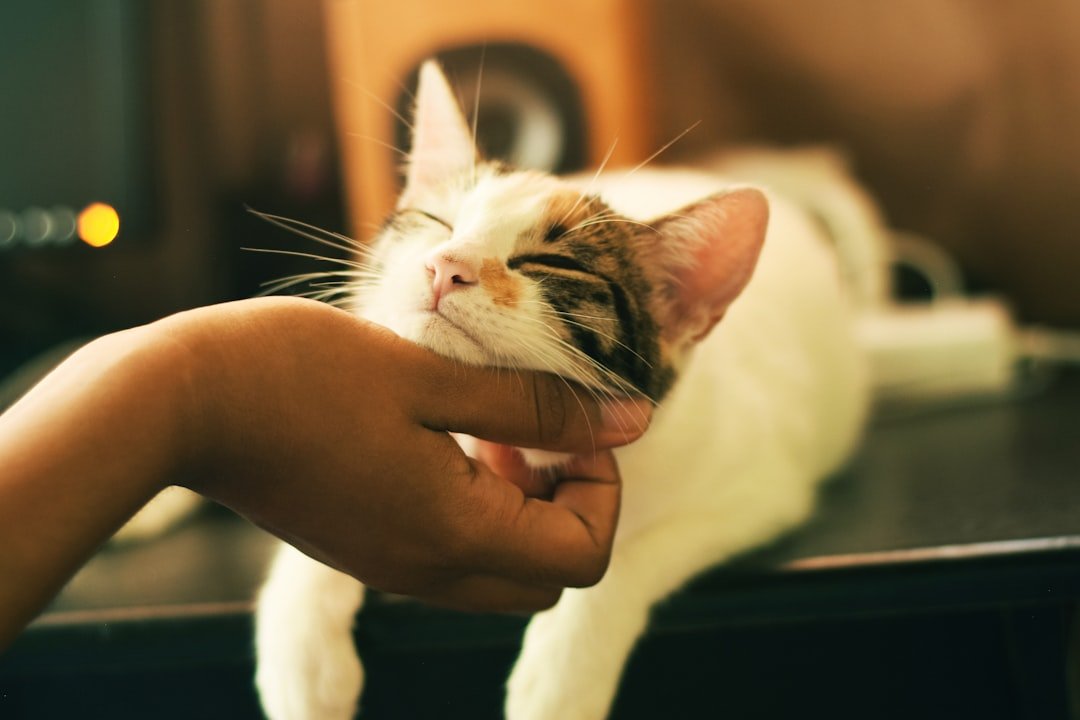
Stop petting at the first small sign of tension, then give your cat space. Petting bites are often a cat’s way of saying they have had enough, though sudden changes deserve veterinary attention.
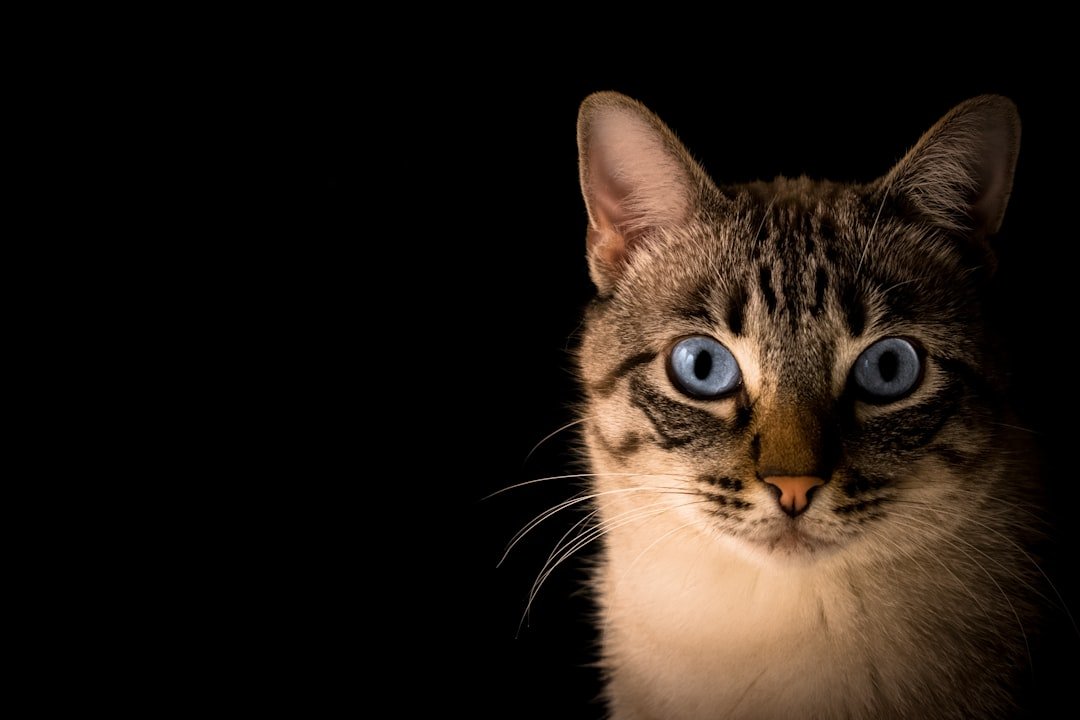
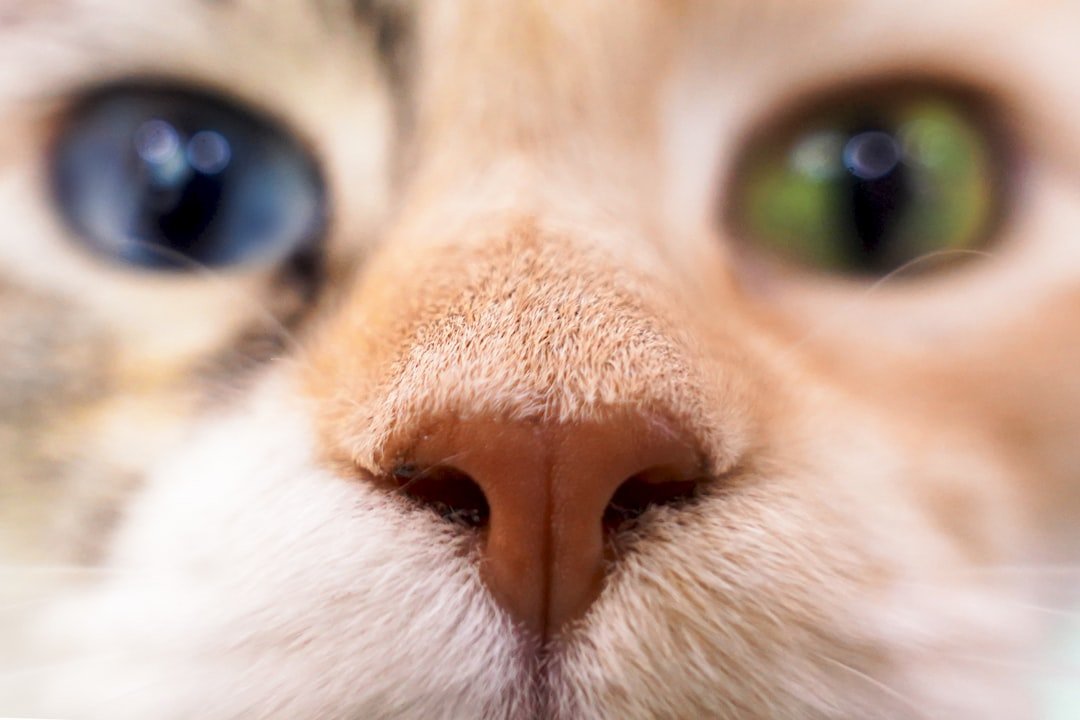
Cats often slow blink when they feel safe, relaxed, or socially comfortable around someone. The gesture is part of cat communication, but context matters because eye discomfort can look different.
Cats scratch furniture because it meets a real physical and behavioral need, not because they are being spiteful. The practical fix is to protect the target, offer a better scratching option in the right place, and reward the choice you want.
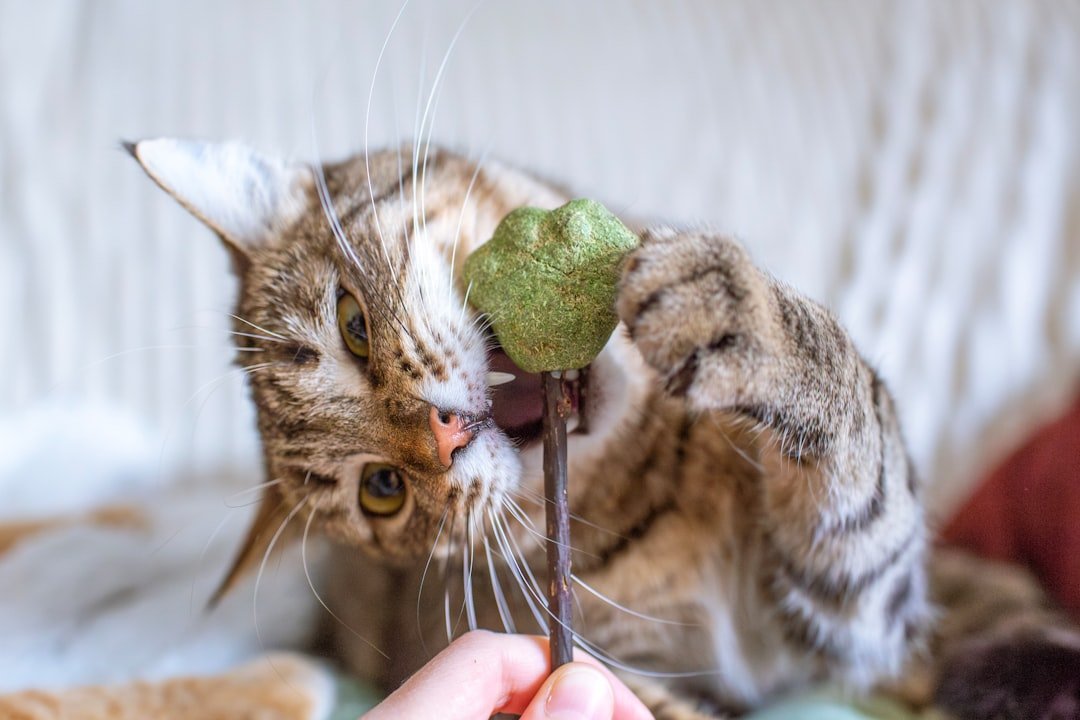
Indoor cat enrichment ideas on a budget can be simple, safe, and effective when they let your cat hunt, climb, scratch, explore, or choose a quiet resting spot. Cardboard, paper, food puzzles, and short daily play sessions often provide more value than expensive gadgets.
Trim your cat’s nails in short, calm sessions, with gentle restraint and clear views of the nail. The safest approach is to stop before your cat becomes upset and ask a vet or groomer for hands-on help if needed.
How to introduce a new cat to a resident cat safely: start with separation, swap scents, then allow controlled visual contact and short supervised meetings. Move at the pace of the more nervous cat, and step back if either cat becomes overwhelmed.
Cats usually knead blankets because the motion feels comforting and familiar, often linked to kittenhood, resting, scent marking, and relaxation. Watch your cat’s body language, protect the blanket and your lap from claws, and seek veterinary guidance if the behavior changes suddenly or comes with signs of distress.
Why does my cat stare at me so intensely? Your cat’s steady gaze communicates affection, trust, or a request for something specific. Learn to read this common feline body language signal and strengthen your bond with your cat.