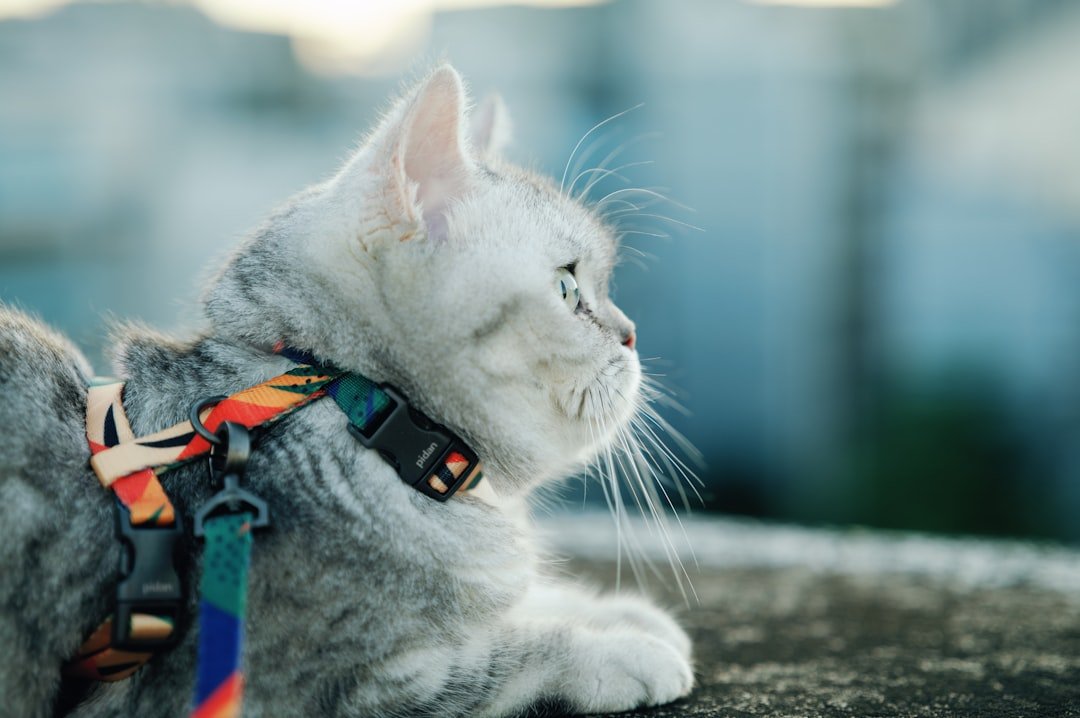
Fit and practice with a secure harness indoors before you take your cat outside. In the cat harness vs cat backpack choice, a harness is the safer pick for the usual purpose of an outdoor walk. It gives your cat room to walk, sniff, stop, and turn while staying connected to you by leash. A backpack is safer when the goal is transport rather than walking, especially around traffic, crowds, dogs, or unfamiliar places.
The word “secure” matters more than the product category. A loose harness can let a frightened cat reverse straight out of it. A poorly ventilated backpack can become hot or stressful quickly. Neither item makes an unprepared cat safe outdoors. The safest setup is one your cat has accepted gradually, fits correctly, and suits the place you are going.
Cat harness vs cat backpack for outdoor walks
Choose a harness for a calm, supervised walk in a quiet outdoor space. Most cats that enjoy outdoor exploration prefer having their paws on the ground. They can investigate scents and choose their pace, which is much closer to normal cat behavior than sitting in a carrier on someone’s back.
For walking, look for a cat-specific harness that wraps around the chest and torso. Vest-style and H-style harnesses can both work when they fit well, though many owners find wider vest styles harder for cats to slip out of. The harness should sit behind the front legs without rubbing the armpits, and it should not shift sideways when your cat turns.
Attach a lightweight leash and hold it loosely enough that your cat can explore. Do not pull your cat forward as you might with a dog. Cats often freeze when they feel leash pressure. If your cat stops, crouches, or wants to head home, treat that as useful information. A walk may be five minutes around a quiet garden at first. That still counts.
A backpack is not a substitute for a walking harness. Your cat cannot choose where to step, retreat, or investigate while enclosed. The motion of your body also moves the bag with every stride. Some cats settle well in that contained space. Others become tense, vocal, or overheated. A cat who looks out through the clear dome is not automatically comfortable. Watch the whole body, including posture, ears, breathing, and attempts to hide.
Why a harness is usually safer for a real walk
A harness gives you direct control without enclosing your cat. That makes it easier to respond when your cat wants to turn away from a strange sound, a bicycle, or another animal. You can guide them toward cover, shorten the leash, or calmly end the outing.
It also allows better temperature regulation. Walking cats can move into shade, lie down briefly, or change position. A backpack holds body heat close to your cat, especially if the bag has plastic panels, dark fabric, or limited airflow. Warm weather is a poor time for backpack outings. Even on a mild day, check the inside of the bag with your hand before putting your cat in it and again during the trip.
There is another practical advantage. If a cat becomes distressed in a harness, you can usually carry them home against your body or place them in a carrier you brought along. If a cat becomes distressed inside a backpack, getting them out safely may take more time and space. Opening a backpack outdoors also creates an escape risk.
That said, harness walking has a major weakness: cats are skilled escape artists. A startled cat can pull backward with surprising force. Never assume a harness is escape-proof because the label says so. Test it indoors. With your cat standing normally, gently apply light backward pressure to the leash while someone watches whether the harness shifts over the shoulders. Do not yank. If it slides, readjust it or try another design before going outside.
When a cat backpack is the safer choice
Use a backpack when you need to move your cat safely through an environment that is unsuitable for walking. This includes the route from a flat to the car, a busy pavement, public transport where pets are permitted, a crowded event, or a trail entrance near a car park. In those moments, containment is usually safer than a leash.
A backpack can also help with a cat who enjoys being outdoors but is too nervous to walk in a new place. You can carry the cat to a quieter area, then decide whether they are relaxed enough for a short harness walk. Keep the backpack closed until you are in a controlled location. Do not unzip it beside a road or while standing on an exposed path.
Some cats simply prefer a backpack. If your cat settles quietly, rests with a loose body, and does not seem bothered by the movement, it can be a useful travel tool. The backpack wins for short transport and observation. It does not win for giving an active cat a proper walk.
Choose a backpack with firm structure, secure zips, solid mesh ventilation, and a tether attachment inside. The tether is a backup, not permission to leave the bag partly open. Check that your cat cannot push through the mesh or reach the zip pulls. Clear bubble-style bags can look appealing, but a large plastic dome can trap heat and offer little privacy. A bag with mesh sides and a fabric privacy flap is often more practical.
For longer travel, a conventional hard-sided or soft-sided carrier may be a better option than a backpack. Backpacks put your cat high off the ground and sway as you move. They are convenient for the person carrying them, but convenience is not the same as comfort for every cat.
How to fit a harness without relying on luck
Measure your cat’s neck and chest according to the harness maker’s instructions. Do not buy by breed, age, or weight alone. Two cats of the same weight can have very different chest shapes.
Once it is on, you should be able to slide a finger or two beneath the straps without leaving large gaps. The exact space depends on the harness design and your cat’s coat. Long fur can hide a loose fit, so feel the straps against the body rather than judging by appearance alone. The harness should be snug enough that it does not rotate, yet loose enough for normal breathing and shoulder movement.
Let your cat wear the harness indoors for brief, pleasant sessions. Offer a favourite treat, a meal, or play afterward if your cat enjoys those things. Start with seconds or minutes. Remove it before your cat becomes upset. When the cat walks normally indoors, add the leash and let it trail only while you are actively supervising. Then hold the leash and follow your cat around a familiar room.
Do not take a cat outside because they tolerate the harness for one minute. Indoor acceptance and outdoor confidence are different. Outdoor sounds, wind, unfamiliar smells, and passing people can change a cat’s response fast. Begin in a secure, quiet area close to home. Keep the first sessions short enough that your cat returns indoors calm rather than overwhelmed.
Signs the outing should stop
End the outing when your cat is clearly uncomfortable. Common signs include crouching low and refusing to move, frantic pulling, repeated attempts to back out of the harness, flattened ears, a tightly tucked tail, or persistent distressed vocalising. Some cats go very still rather than struggling. Stillness is not always relaxation.
Heat needs special attention in backpacks and on harness walks. Stop if your cat seems unusually restless, drools, pants, or appears weak. Move to a cool, quiet place and contact a veterinarian promptly if breathing trouble, weakness, or other concerning signs continue. Do not force water into your cat’s mouth.
Also leave when the environment changes. A loose dog, construction noise, children rushing over, or a sudden gust can turn a pleasant outing into a frightening one. Pick up your cat only if you can do so safely. Otherwise, use the leash to guide them behind cover, such as a hedge or parked car, then return home.
Gear that makes either option safer
For harness walks, use a harness made for cats, a lightweight leash, and an identification tag or other current ID if your cat can wear one safely. A small carrier is useful for longer outings because it gives your cat a place to retreat if they become worried. Do not attach a leash to a collar for outdoor walks. A collar can slip off, and pressure on the neck is not the right way to restrain a cat.
For backpacks, check every zip, clip, mesh panel, and tether before each trip. Put a familiar towel or small blanket inside if it does not block ventilation. Avoid dangling toys or loose straps that your cat could chew. Keep the backpack upright when you set it down. Never leave it in a car, even briefly, because temperatures can rise quickly.
Clean fabric gear when it becomes soiled and inspect it for worn stitching. Replace a harness with frayed webbing or damaged buckles. With backpacks, inspect the base and shoulder straps as well. A bag that feels stable in your hands can still tip when your cat shifts inside.
FAQ
Can I use both a harness and a backpack together?
Yes. This is often the most practical setup for an outing. Carry your cat through busy or risky areas in the closed backpack, then use the harness and leash only in a quiet, suitable location. Keep the harness fitted under the backpack only if it does not bunch up, restrict movement, or make your cat hotter.
Is a cat backpack safe for long walks?
Usually, it is better for short trips than long walks. Your cat has limited room to reposition, and the bag can warm up as you carry it. Take breaks in a cool, quiet place, check your cat often, and keep the trip short if the weather is warm or your cat seems unsettled.
What type of harness is hardest for a cat to escape?
There is no design that every cat cannot escape. A well-fitted vest-style harness often provides more coverage around the chest than a narrow strap harness, but fit matters more than the label. Test any harness indoors and watch for shoulder gaps when your cat backs up.
Can an indoor cat learn to enjoy harness walks?
Many can learn to tolerate or enjoy quiet outdoor time, but some do not like it. Go slowly and let your cat’s behaviour guide the pace. A cat who consistently seems frightened may be happier with indoor enrichment, a secure catio, or short backpack trips to a calm place instead.
Related posts
This post is for general informational purposes only and is not veterinary advice. Every cat is different — if you have concerns about your cat’s health or behavior, please consult a qualified veterinarian.