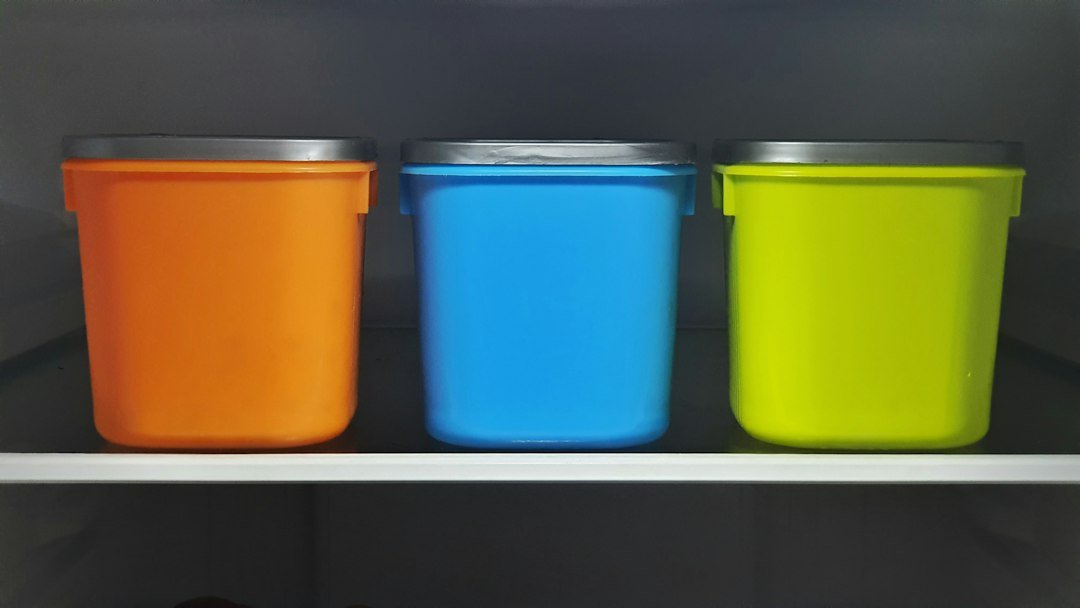
Buy a container that holds only the amount of dry food your cat can finish within a few weeks, and keep the food in its original bag inside it. That is the most useful step for choosing the best cat food storage container. It protects the food label, lot code, and best-by information while the container helps limit air, moisture, pantry pests, and stray odors. Start there.
A huge bin looks convenient, but it can leave an opened bag sitting for months while oils in dry food gradually lose freshness. Dry food is not sterile. Once a bag is opened, every scoop exposes it to household air and whatever is on the scoop or your hands. A well-fitting lid helps, yet no storage container can make old food fresh again.
The goal is simple: buy a container that fits your feeding routine, seals reliably, and is easy enough to clean before refilling. Size matters most. A good container should not turn a manageable bag of food into a long-term pantry project.
What the best cat food storage container should do
A useful food container keeps the bag protected and makes portions easy to reach. That sounds basic. In practice, the details determine whether it stays pleasant to use after the first week.
Look first for a lid that closes evenly all the way around. A gasket can help reduce air exchange and discourage insects, although the wording “airtight” on a product listing does not mean food will stay perfect indefinitely. Check the lid by closing it empty, then lifting it carefully by the handle or upper edge only as the maker directs. If the lid flexes, pops loose, or needs force to align, it may become annoying every day.
Choose a container made for food contact. Food-grade plastic, stainless steel, and glass are common choices, but the whole design matters more than the material alone. A plastic bin with a secure lid and smooth interior may be more practical than a heavy glass jar with a narrow opening. Keep it practical.
The opening should fit your hand, scoop, and the food bag. Narrow necks can work for treats or small amounts of kibble, but they are frustrating with a large bag and leave crumbs trapped around the rim. A wide mouth is easier to wipe clean. It also makes it easier to see when the bag is nearly empty.
Handles and wheels are useful only when they match the loaded weight. A 20-pound bag becomes awkward fast. For a container you will move often, look for recessed grips, sturdy wheels, and a lid that does not depend on a flimsy handle to stay closed.
Choose capacity around the bag and feeding pace
Do not choose capacity by the container’s advertised pound rating alone. Kibble shapes have different densities. A container described as holding 20 pounds may hold less of a bulky, airy formula and more of a small dense pellet.
Measure by volume if possible. Check the food bag for its net weight, then compare the container maker’s stated dimensions or volume with customer photos and reviews for the type of kibble you buy. Leave extra room. You need space to fold the original bag down and close the lid without crushing it.
For one adult cat, a smaller container is often the sensible choice unless you buy food for several cats. Many cats eat roughly a few ounces of dry food a day, depending on the food and their overall diet. Feeding directions vary. Use your own bag’s daily guide and your veterinarian’s advice for your cat’s needs.
Here is a quick way to estimate a useful size. If one cat eats 1/2 cup daily, a 16-pound bag might last several weeks, depending on kibble density. If you buy that size bag, select a bin that holds the intact bag with room at the top. If your cat needs two months to finish it, buying a smaller bag more often may give you fresher food and a cleaner storage routine.
| Container type | Best for | Main advantage | Trade-off |
|---|---|---|---|
| Sealed plastic bin | Most dry-food bags | Lightweight and easy to move | Can retain odors or scratch over time |
| Stainless steel bin | Odor-sensitive households | Durable and easy to wipe | Costs more and may have a smaller opening |
| Glass jar | Treats or small portions | Does not hold odors easily | Heavy, breakable, and poor for large bags |
| Bag clip with original bag | Small bags used quickly | No extra bin to wash | Less protection from pests and spills |
Keep food fresh with the original bag inside
Keeping dry food in its original bag inside the container is usually the most practical storage method. The bag is designed to hold that food, and it carries the information you may need if there is a recall or a quality question. Save the label. Do not toss it as soon as the food reaches the bin.
Pouring kibble directly into a container can work, but only if you completely wash and dry the container between bags. Old crumbs and oily residue can cling to seams and corners. Those leftovers are easy to miss. Mixing a fresh bag on top of old remnants defeats much of the reason for using a clean storage system.
If you prefer to pour food into the bin, cut out or photograph the bag label, including the lot code and best-by date, before recycling it. Keep that information somewhere easy to find. A phone photo works. Check it before feeding if the food smells unusual, looks different, or your cat suddenly refuses it.
Store the container in a cool, dry indoor place away from direct sunlight, radiators, damp laundry areas, and strong cleaners. A garage can be convenient, but temperature swings and humidity may be harder on food there. Avoid floor-level spots if flooding, spills, or pests are concerns. A pantry shelf is often easier to manage.
Plastic, stainless steel, or glass
Plastic storage bins are common because they are light, affordable, and available in useful sizes. Look for a thick lid, a smooth inner surface, and a base that does not bow when full. Clear plastic lets you see the food level. It also lets in more light if the bin sits in a bright place, so keep it in a cupboard or shaded pantry.
Stainless steel is a good option for people who dislike lingering odors or want a container that may last longer than a lightweight plastic tote. It is usually opaque. That protects food from light, but you will need to open it or track usage to know when supplies are low. Some stainless bins have decorative finishes that show fingerprints. That is minor, but real.
Glass is best reserved for treats, toppers, or a few days’ worth of kibble. It is easy to inspect and generally does not absorb food smells. It is also heavy. A large glass vessel full of kibble is not ideal around an energetic cat, a crowded kitchen, or hard flooring.
Product styles worth comparing
Research product pages, dimensions, lid construction, and recent buyer feedback before choosing a specific model. Product lines change. Replacement parts and current prices can change too, so verify details with the manufacturer or retailer before buying.
Stackable pantry bins work well when you buy small bags and want a neat shelf setup. Their main appeal is organization. Their drawback is capacity, since many are too small for a full standard food bag and can encourage you to pour food directly into several containers.
Pet-food vault style bins are built around larger bags and often use screw-top or gasketed lids. They can be useful for multi-cat homes or households that buy larger bags. Check the opening diameter first. A container can have a strong seal yet still be irritating if you cannot comfortably reach the bottom with a scoop.
Rolling pet-food bins are convenient when a filled container is too heavy to lift. Wheels add moving parts. Inspect whether the wheels are protected, whether the bin rolls on your actual floor type, and whether it stays stable when the lid is open.
For a single cat, a simple medium-size bin with a gasketed lid may be a better purchase than a large rolling vault. Less empty space means less temptation to overbuy. It is easier to wash, too.
Cleaning and refill routine
Clean the container every time you finish a bag, especially if food touches the interior directly. Do not top it off. A quick wipe between refills is not enough when oil and crumbs have collected in corners.
- Finish or remove the remaining food and save the bag information.
- Wash the empty container, lid, gasket, and scoop with warm water and mild dish soap.
- Rinse well and let every piece dry completely before adding food.
- Place the new bag inside, fold the top down, and close the lid securely.
- Check the seal after the first day for crumbs caught in the rim.
Drying is crucial. Even a little trapped moisture can make dry food clump or create an unpleasant smell. Air-dry overnight if needed. Do not rush the refill.
When a container is not the answer
If your cat suddenly rejects food, vomits, has diarrhea, loses weight, or seems unwell, replacing the container may not address the real issue. Food can be involved, but behavior and appetite changes have many possible causes. Speak with a veterinarian when you are concerned.
A storage bin also cannot fix a food your cat simply dislikes or a bag that was already damaged when purchased. Inspect bags before bringing them home. Skip packages with torn seams, damp spots, punctures, or an unusual odor.
Frequently asked questions
Should I keep cat food in the bag or pour it into the container?
Keep the original bag inside the container when it fits. It preserves the product details and reduces the cleanup needed between bags. This is usually easiest. If you pour food directly in, wash and dry the container fully before each refill.
Do airtight containers keep dry cat food fresh longer?
A good seal helps protect dry food from humidity, pests, and household odors. It does not stop normal aging after opening. Buy a bag size your household uses at a reasonable pace, then store it properly.
What size container do I need for a 10-pound bag?
Check the specific container’s stated volume and interior dimensions because kibble density varies. Choose one with room for the unopened bag plus folded bag material at the top. Do not force it. A slightly larger container is easier to close and clean.
Can I store cat food in the garage?
You can if the space stays cool, dry, clean, and protected from pests, but many garages have heat and humidity swings. Indoor storage is often more consistent. Keep the container off damp floors and away from chemicals.
How often should I wash a cat food container?
Wash it between every bag when food is poured directly inside. If the original bag stays inside, wipe spills as needed and clean the container whenever crumbs, residue, or odors build up. Check the lid gasket too.
Related posts
This post is for general informational purposes only and is not veterinary advice. Every cat is different — if you have concerns about your cat’s health or behavior, please consult a qualified veterinarian.