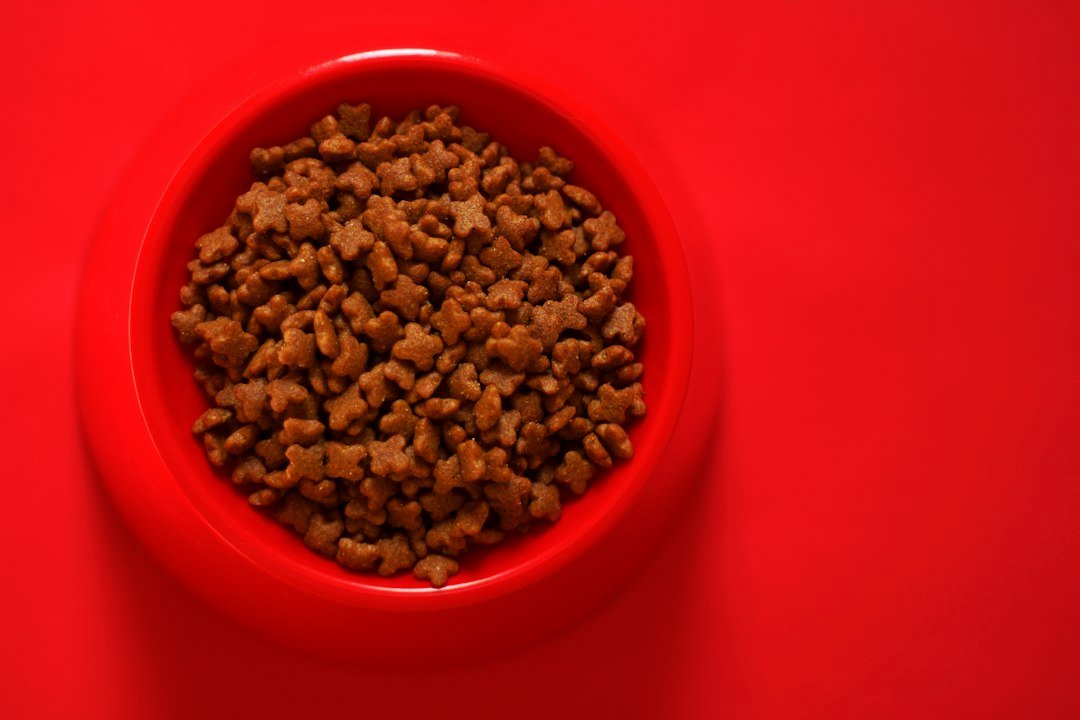
For silicone vs plastic cat food bowls, replace any scratched plastic bowl today with a smooth, food-grade silicone bowl that can go through a hot dishwasher cycle. That is the better pick for most cats with chin acne. Silicone vs plastic cat food bowls is not a perfectly even comparison, because plastic tends to collect scratches that hold food film and bacteria even after a normal wash.
Still, bowl material is only one piece of the picture. Feline chin acne can have several contributing factors, including oil production, grooming habits, food residue, and irritation around the chin. A new bowl will not guarantee that the bumps disappear. It can, however, remove one common source of repeated contact with a rough or poorly cleaned surface.
Silicone vs plastic cat food bowls for cats with chin acne
If you must choose between these two materials, pick silicone. Choose a one-piece, non-collapsible bowl with a very smooth interior and no printed coating where food sits. Keep it simple. A good silicone bowl does not scratch as easily as ordinary plastic, so it is less likely to develop the tiny grooves that can trap greasy food residue.
Plastic is the weaker choice for a cat who gets recurring chin irritation or black specks under the lower lip. Even a bowl that starts glossy can become scored by kibble, washing brushes, and regular use. Those marks are easy to miss. Once the surface is rough, wiping it out may remove visible crumbs without fully removing the thin oily film left behind by wet food or saliva.
Silicone is not automatically spotless. Its flexible surface can hold onto oily residue, odors, or detergent fragrance if it is not washed thoroughly, particularly with rich wet foods. Wash it daily. A bowl that feels greasy, smells stale after washing, or has a tacky surface needs a deeper clean or replacement.
The practical recommendation is clear: use silicone over plastic as a temporary or budget-conscious choice, but consider stainless steel or glazed ceramic for the regular feeding station if your cat has ongoing chin acne. Those harder, non-porous materials are generally easier to inspect and keep clean. They also tend to stay smooth longer. Avoid chipped ceramic, since chips create another rough surface.
Why plastic can be a problem around the chin
Plastic itself does not cause every case of feline acne. The concern is wear. A cat presses its chin against the bowl edge many times each day, and that contact can repeatedly put skin oils and food residue onto a surface that becomes harder to clean with age.
Look closely at an older plastic bowl in bright light. You may see cloudy patches, shallow lines, faded areas, or roughness near the rim. Replace it. These changes matter more than the bowl’s original label or color, because the condition of the food-contact surface affects how easily you can wash away residue.
Plastic can also absorb odors over time. That does not prove it is dirty, but a lingering fishy or rancid smell after washing is a useful sign that the bowl has reached the end of its useful life. Do not try to rescue a deeply scratched bowl with harsh cleaners. Replacement is usually easier and safer than leaving chemical residue behind.
Some plastic bowls are marketed as dishwasher safe and food safe. Those labels are useful, but they do not make a worn bowl new again. Check it often. A hard plastic bowl may be convenient for travel or an occasional overnight stay, especially when it is new, smooth, and easy to wash, but it is not the best everyday choice for a cat with chin acne.
What makes silicone the better of these two options
Silicone has a smoother feel than most plastic and does not usually develop the same pattern of hard scratches. That is its main advantage here. It is also lightweight, quiet on the floor, and less likely to crack if dropped.
For a cat with chin acne, choose a bowl with a stable base and shallow sides. Wide is useful. A deep, narrow bowl can make a cat rub its chin against the rim while it eats, especially if the food settles at the bottom or the cat has short whiskers and a broad face.
A shallow silicone dish also lets you see every bit of residue after a meal, which makes daily cleaning less of a guessing game. This matters most with pâté, gravy, oily fish formulas, and food that dries at the edge. Rinse away leftovers promptly. Then wash the bowl with warm water and a mild, unscented dish soap before the next meal.
Buy silicone that is clearly sold for food contact and has no loose coating, flaking color, or strong chemical smell. Skip novelty bowls with deep molded textures inside the eating area. Smooth wins. A decorative pattern can make cleaning harder, and food can settle around raised shapes that are difficult to inspect.
Silicone does have limits. Some cats chew soft bowl edges, and a determined chewer can damage a flexible dish faster than a hard plastic one. If your cat bites or tears silicone, do not leave that bowl in service. A damaged bowl can trap residue, and swallowed pieces may create a separate concern that needs veterinary guidance.
When plastic may win instead
For a cat with chin acne, plastic only wins in a narrow situation: you need a short-term bowl and the available silicone option is heavily textured, floppy, damaged, strongly scented, or likely to be chewed. Use a new, smooth plastic bowl temporarily. Replace it soon.
A rigid plastic bowl can also be easier to pack for travel than a thick silicone dish that attracts lint or folds over in a bag. Keep travel use brief. Bring a small bottle of unscented dish soap or wash the bowl well once you are home, because dried food residue is still residue regardless of the material.
Do not choose plastic because it is cheaper if the bowl will become the daily feeding dish. The small upfront saving can disappear when it needs replacement after scratching or when you end up testing several bowls. A basic stainless steel dish is often reasonably priced, although prices vary by region. If you can move beyond this comparison, that is usually the simplest upgrade.
How to choose a bowl shape that helps
Material matters, but the shape changes how much the chin touches the bowl. Choose a shallow dish with a broad opening, a low front edge, and a smooth rim. Avoid narrow openings. Your cat should be able to reach the food without pushing its chin hard against the side.
For wet food, a plate-like dish is often easier to clean than a deep bowl. Use enough space for one meal. If your cat eats 85 grams, or about 3 ounces, of wet food at once, pick a dish where that portion spreads out without climbing the rim or getting packed into a corner.
For dry food, a shallow bowl can still work, but some cats scatter kibble when the sides are too low. A gently sloped rim is a reasonable compromise. Watch one meal. If your cat repeatedly nudges food out, choose a slightly deeper dish rather than returning to a narrow, high-sided bowl.
Keep the feeding surface clean too. A spotless bowl placed on a greasy mat can still pick up debris when it slides or when your cat nudges food over the edge. Wash the mat regularly. Silicone mats are useful if they lie flat and can be cleaned fully, but a washable towel changed often can work as well.
A simple cleaning routine for chin-prone cats
The routine matters more than buying an expensive bowl. Start after every meal. Remove leftovers, rinse away loose food, wash the dish with warm water and a mild unscented dish soap, rinse until it no longer feels slippery, and dry it before the next feeding.
- Use a clean bowl for each meal. If your cat eats twice daily, keep at least two bowls in rotation.
- Wash food-contact surfaces daily. Pay close attention to the rim where the chin touches.
- Run dishwasher-safe bowls through a hot cycle regularly. Check the manufacturer’s care instructions first.
- Inspect the bowl every week. Replace it if you find scratches, cracks, sticky residue, torn silicone, or an odor that remains after washing.
Keep two or three identical dishes if that makes the routine easier. This is practical. One bowl can dry while another is ready for the next meal, so you are less tempted to do a quick rinse and reuse it.
Do not use strongly perfumed cleaners, abrasive scouring powders, or rough scrub pads on feeding bowls. They can leave fragrance behind or create the very scratches you are trying to avoid. A soft sponge or cloth is enough for routine washing. For stubborn dried food, soak the bowl in warm soapy water first.
Watch the cat, not only the bowl
After you change bowls, look at your cat’s chin during normal petting and feeding. Mild black specks may resemble dirt, while redness, swelling, bleeding, pain, pus, hair loss, or refusal to eat needs more attention. Do not squeeze bumps. Picking at the area can irritate the skin and make it harder to judge whether things are improving.
Gentle chin cleaning may be part of a veterinarian’s plan for some cats, but avoid adding wipes, antiseptics, or home treatments without guidance. Cats groom their faces. Products that seem harmless on people can be irritating or unsafe if licked.
If chin changes continue after you have switched to a clean smooth bowl and maintained a daily wash routine for a few weeks, contact a veterinarian. Other skin problems can look similar at home. A vet can assess the skin directly and advise you on the next sensible step.
The bottom line
Choose silicone over plastic for a cat food bowl when chin acne is part of the concern. Pick food-grade silicone with a smooth interior, low sides, and a stable shape, then wash it after every meal. That is the most useful change within this two-material choice.
Plastic is best kept for short-term travel or emergency use when it is new and completely smooth. Replace it at the first sign of wear. For an everyday bowl, stainless steel or intact glazed ceramic is usually the more durable direction if your cat keeps getting chin irritation.
Related posts
This post is for general informational purposes only and is not veterinary advice. Every cat is different — if you have concerns about your cat’s health or behavior, please consult a qualified veterinarian.