How often should I bathe my cat? A simple guide
Most healthy cats rarely need a bath because they groom themselves effectively. Learn when a full bath makes sense, how often to brush, and how to keep the experience calm and safe.
A calm first week with a new kitten starts with one safe room, familiar food, a clean litter box, and a slow introduction to the rest of the home. Use this checklist for supplies and setup tips that make the first days easier to manage.
How to litter train a kitten starts with an easy-to-reach box, unscented litter, and calm, predictable trips after meals, naps, and play. This step-by-step guide helps first-time kitten owners set up the space, handle accidents, and know when to call a vet.
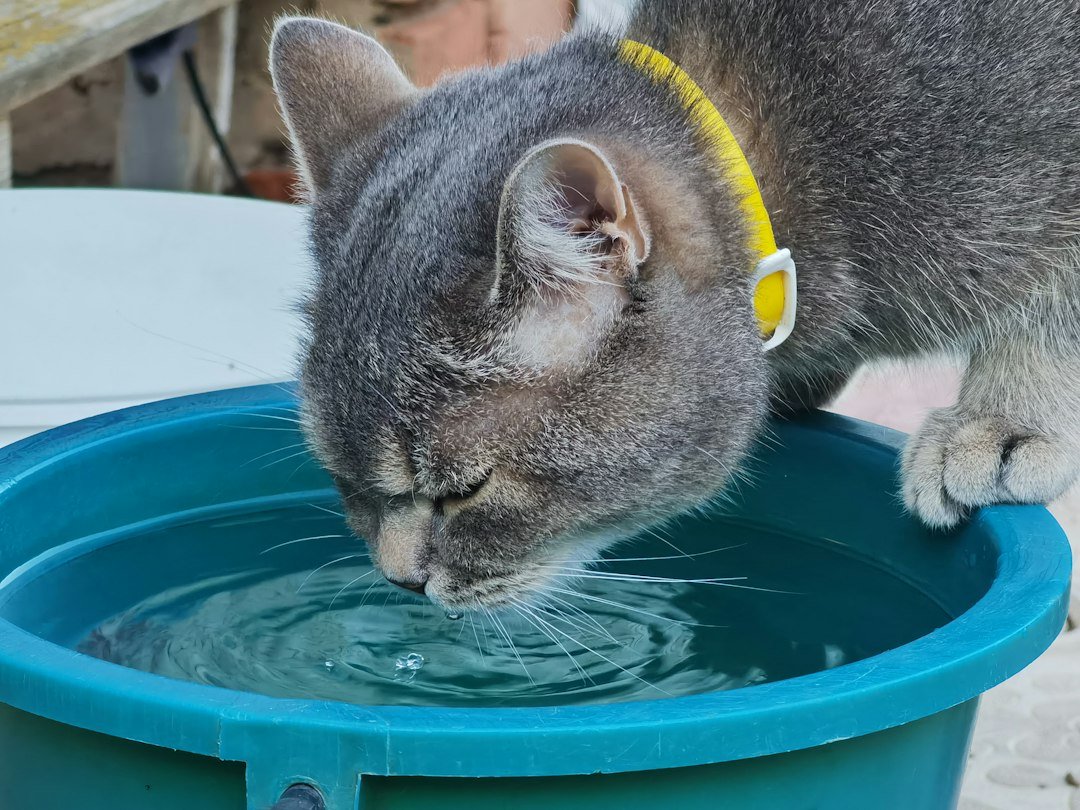
Most adult cats do not digest the lactose in cow’s milk well, even if they eagerly lap it up. Water is the safest everyday drink, while milk is best avoided or reserved for an occasional cat-specific lactose-reduced treat.
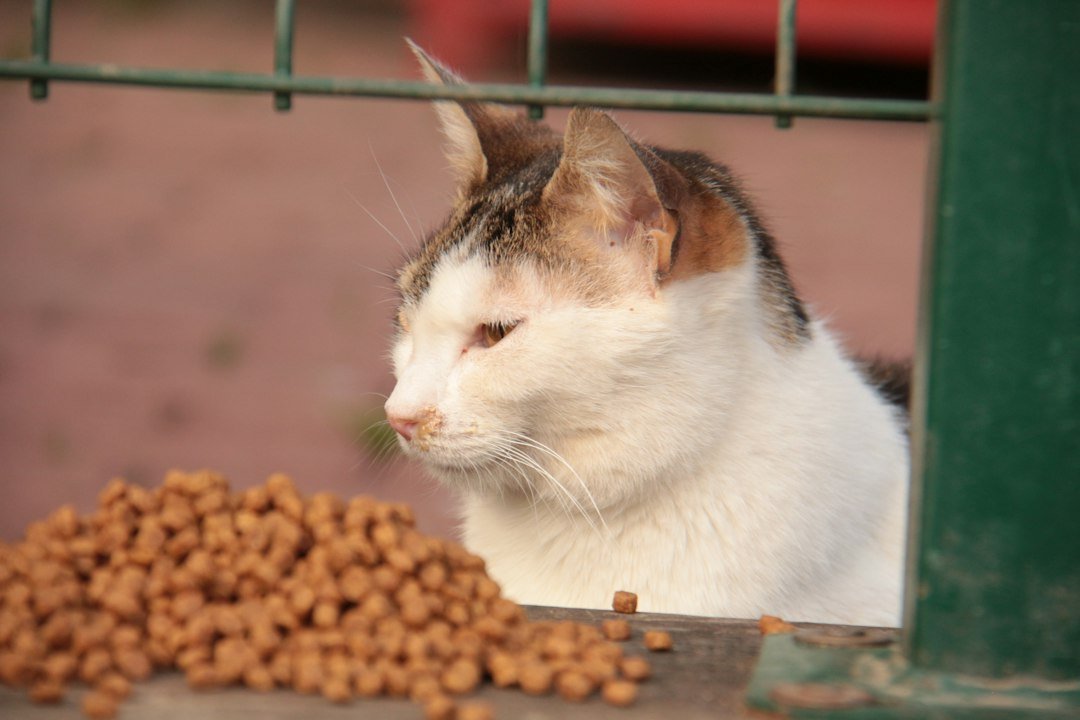
The best food for cats with sensitive stomach concerns is usually a complete diet with a protein and texture your cat tolerates, introduced slowly. Compare ingredient clarity, calorie density, fiber type, and veterinary guidance rather than assuming any food labeled “sensitive” will suit every cat.
Most healthy adult indoor cats need roughly 180 to 300 calories a day, but the right starting amount depends on body weight, age, neuter status, activity, and body condition. Use the food label, measure portions, and adjust gradually while watching your cat’s weight and shape.
Cat chattering at birds is usually a normal prey-focused behavior linked to excitement, frustration, and the instinctive sequence cats use when watching small animals. Keep windows secure, avoid interrupting your cat harshly, and offer safe outlets for hunting behavior indoors.
Cats often knock objects off tables because movement, sound, curiosity, and human reactions make the behavior rewarding. Learn how to tell curiosity from attention seeking and reduce the habit without punishment.
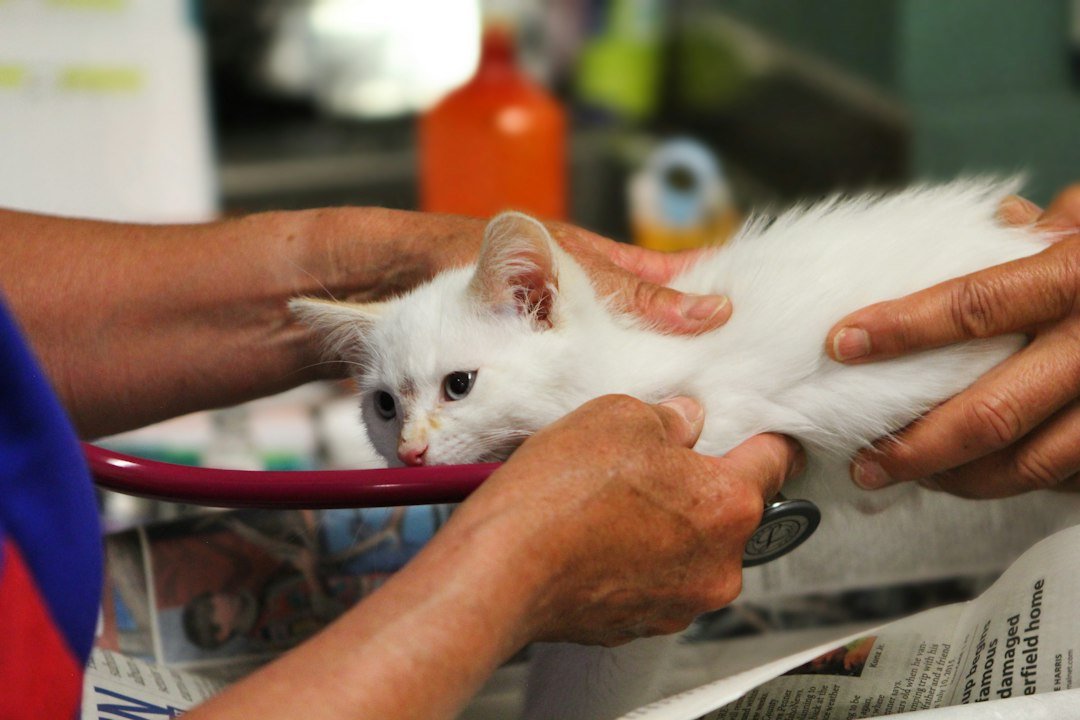
A cat hiding under bed suddenly is often responding to stress, a change at home, or discomfort. Learn what to check, how to make hiding safer, and when a veterinarian should be contacted.
A cat headbutt is usually a friendly scent-marking and social bonding gesture. Watch the rest of your cat’s body language, then respond calmly with cheek scratches or a quiet greeting if your cat seems relaxed.